
Baja Isn’t For Everyone and That’s Why We Go
After a couple hours of work, I lace up my running shoes and head down the hill toward the Malecón for my morning run. The barrio is pleasantly quiet at this hour. High tide pushes the water up against the sea wall, and the Sea of Cortez sits still, like it hasn’t made up its mind yet.
I find a rhythm running along the water as I look out toward Isla Espíritu Santo sitting low on the horizon. It doesn’t look real at that distance. More like something placed there to balance the view. After a short mile, I cut inland for several blocks then up a driveway that feels like its leading to a sketchy place. There’s no sign, no front door, nothing to suggest what’s inside. Just a sliding chain link gate, slightly but invitingly open.
Inside, it’s dark. No artificial light, just whatever the morning sun lets in. Black walls, concrete floors and Black Sabbath’s Paranoid playing overhead. Five people, maybe. Nobody talking. Everybody putting in work. There is a eerie quiet vibe although music is playing fairly loud. On the far wall, a massive painting of Arnold Schwarzenegger stares back, his right eye painted red like the The Terminator. On the opposite wall is a painting of Bruce Lee with some Japanese writing, I later learned means “The Way of the Warrior“. The initial feeling is complete intimidation. Then I settle in and realize this amazing place — tucked behind what looks like an old auto body shop hanging on for dear life — is my new gym, Bushido or 武士道.
No front desk. No smoothie bar. Nobody talking. No Americans counting steps. Just weight, heat and intent. And somewhere between the run, the silence, and the sound of metal moving through the room, it hits me— It sure is great to be back in Baja.

It takes but a few seconds to understand La Paz is a different kind of Baja.
The airport has but one terminal. Deplaning onto the tarmac, you immediately realize you are not in the curated version of Mexico designed to keep you comfortable. You exit the airport and there’s … almost nothing. A few cars idling quietly in the sun. There is no chaos. No timeshare vultures and no limo hustlers. In fact we struggled to get a ride. La Paz is a city that moves at its own pace and doesn’t care about yours – in fact it doesn’t even notice you.
La Paz is the capital of Baja California Sur, the last state to be formed in Mexico in 1974. It’s the least populated state and La Paz is a coastal city of a few hundred thousand people sitting quietly on the Sea of Cortez. From a distance, it looks almost too still to be a city at all. But up close, it’s something else entirely — a little gritty, a bit quiet and largely untouched by the people turning Baja into Dave & Busters.
There are tourists, but not many. Expats too, though they congregate just outside the city in a place called El Centenario — building their own version of Baja, a few miles removed, but worlds away from anything real. They want the beautiful Mexico screensaver, but with the American operating system — paved roads, gated communities, pickle ball and doggie spas.
The rest of La Paz belongs to the people who live here. Viva Calle Norte!
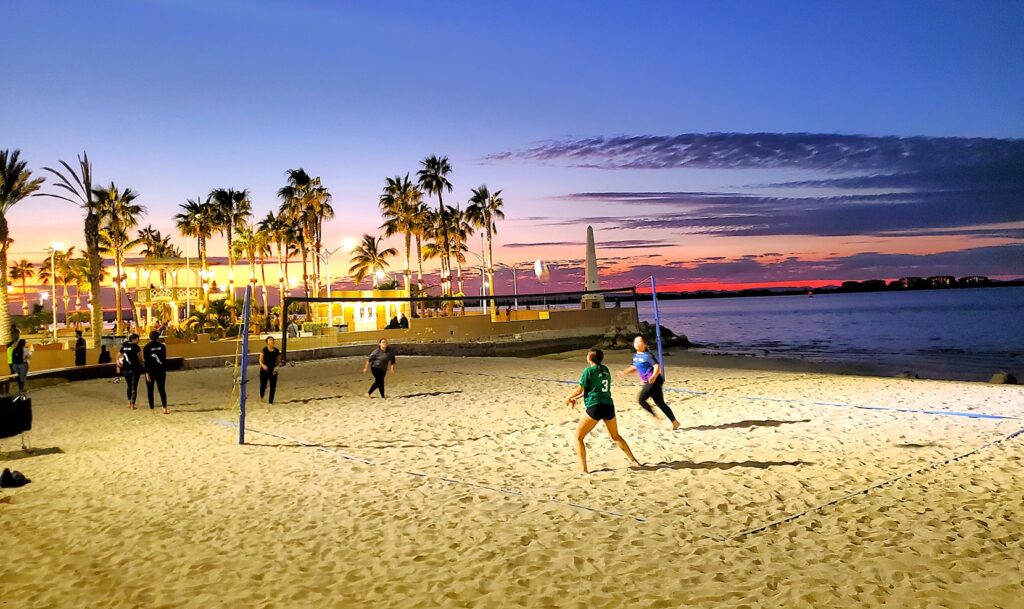
From Los Angeles, La Paz is a two-hour flight — close enough to feel easy, far enough to feel like you’ve stepped out of the bubble. The kind of place you go not to escape your life, but to see if it still works when you change the setting. And that was our mission, to escape the brutal Southern California winter for a month.
By the second week, a pattern starts to form. Familiar faces. Restaurant owners who recognize you. Scenery that feel less like somewhere you’re visiting and more like – your neighborhood. There’s no urgency here. The best restaurants are never more than 2/3 full, even on weekend nights. There is no sense that you’re missing something if you’re not doing enough. Which, depending on who you are, can either feel like freedom — or something else entirely.
Exploring The Beaches of La Paz, Mexico, BCS
For a coastal city, La Paz has surprisingly little beach culture. This was perhaps our biggest surprise, but it pleasantly enhanced our stay as we were forced to do other things. We get a lot of beach life at home in the South Bay of Los Angeles, which also explains why we had to explore them all. Aficionados.
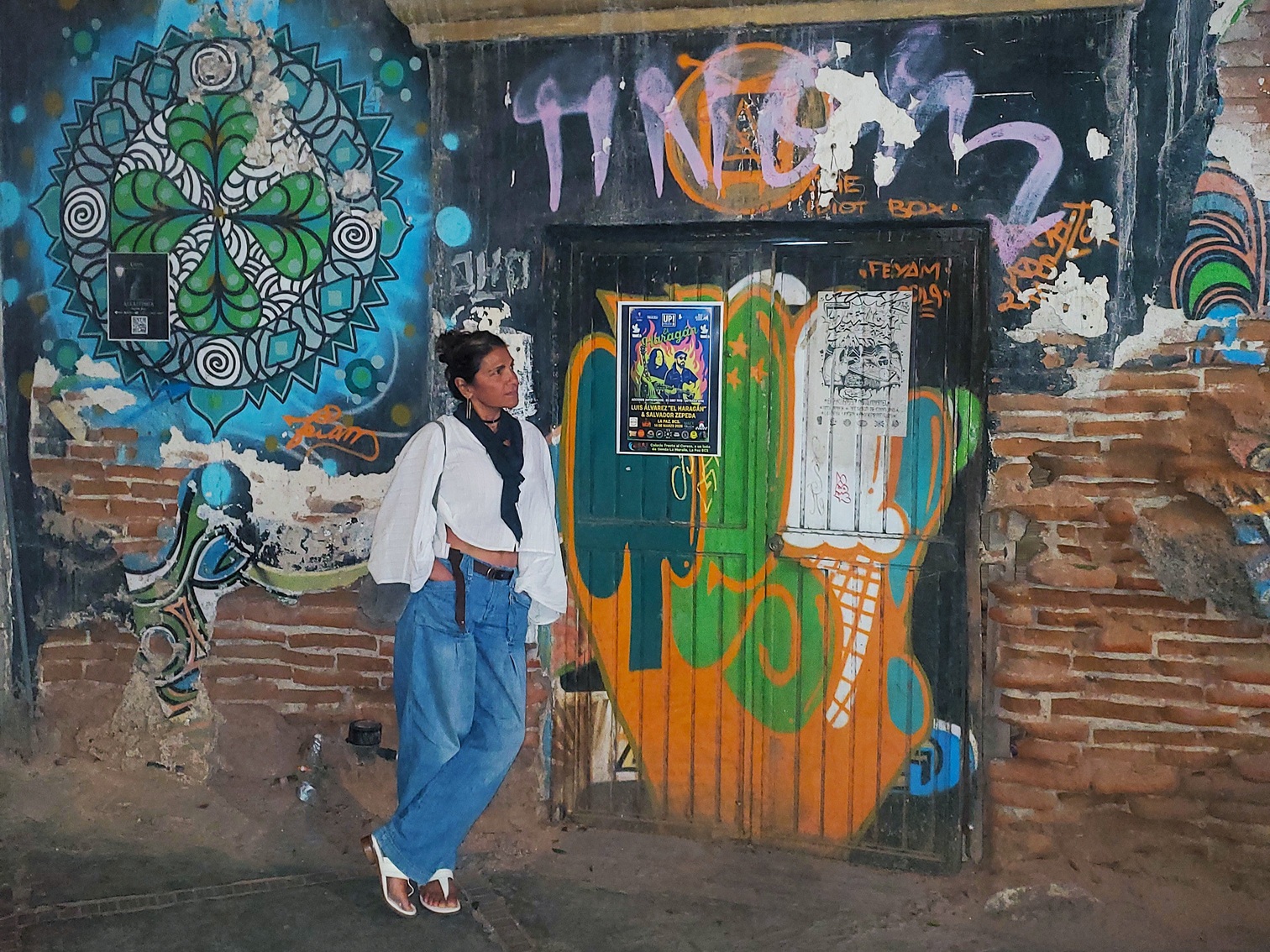
When you google ‘beaches in La Paz, Mexico” you will see plenty, and they look nice. In fact when you Google anything about Baja, the imagery always looks great, but in reality its a little different, not bad, just different. Baja is different. A five star restaurant often sits comfortably next to a half torn down building, giving La Paz a special character.
The beaches in La Paz do not function in the way you are used to. They are small, the water is shallow, there are no waves and no sense that people have planned their day around going there. They are not destinations. You can go, have a look around and then, at some point within an hour, it’s time to move on. In La Paz you go to the beach to eat a sandwich, not to enjoy the sun, sand or surf. We hit all the beaches close to city in about an hour on our motorbike.
Feeling very unfulfilled, we then made a plan to hit the major beaches outside La Paz, Balandra, Tecolote, La Ventana & Cerritos. This would take a couple days and require a coche.
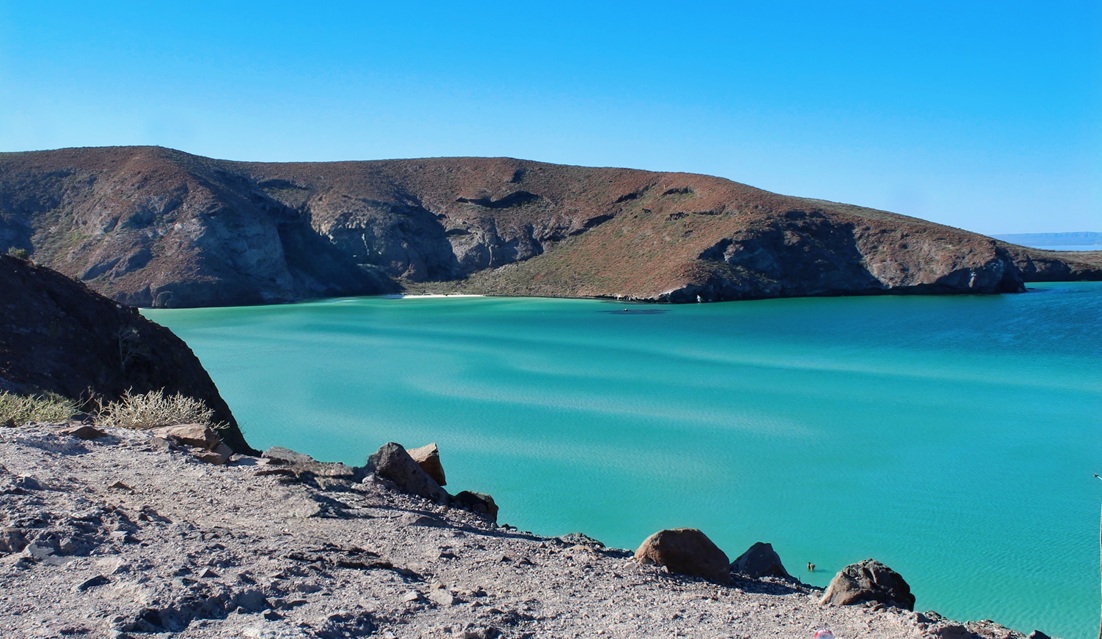
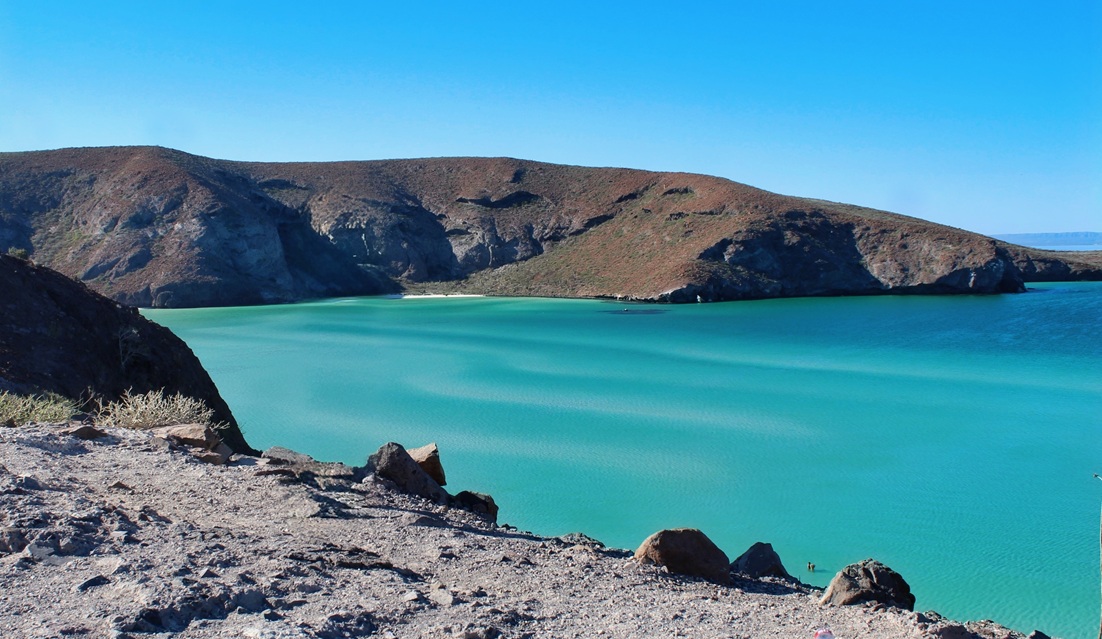
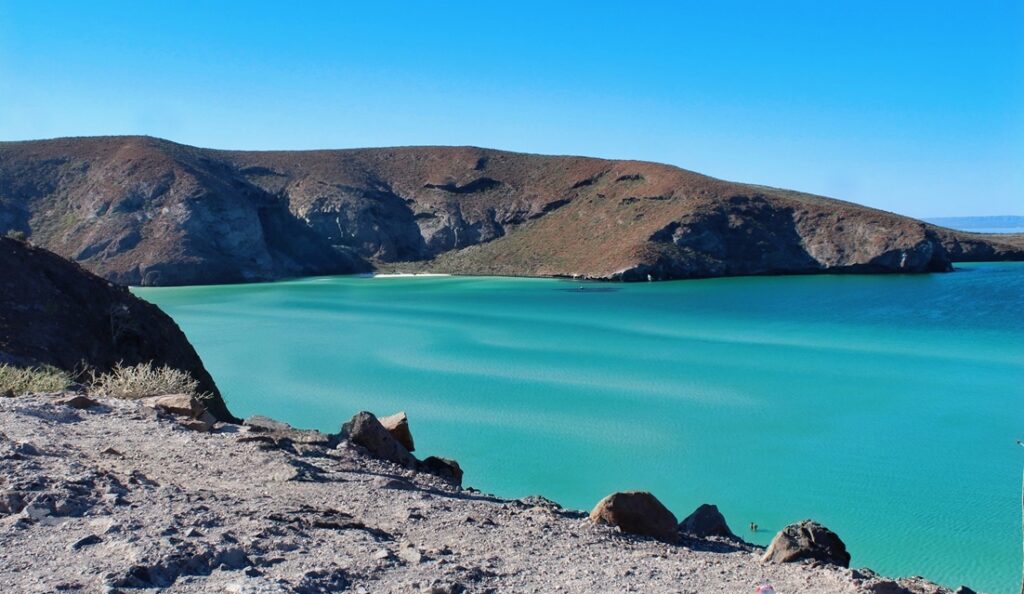
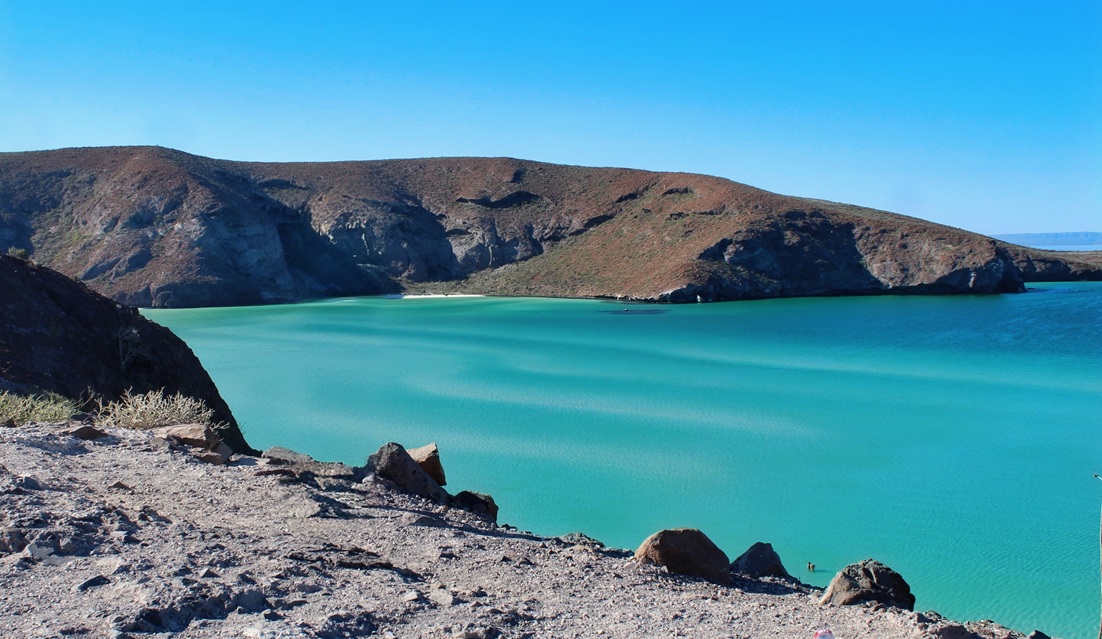
Balandra is the one you see online — shallow, clear, almost unreal in the right light. And it is, for a while. You walk it, climb the hill above it and enjoy the vista. The water barely reaches your waist. People drift through it slowly, like they’re unsure what to do next. We felt the same. There are some palapas on a very short sandy beach where the locals set up camp. It’s beautiful, there is no doubt. The moment lands and after about one hour, it’s time to go.
A few locals pointed us to Playa Tecolote, a much larger beach just beyond Balandra. Driving in felt familiar — like pulling up to the surf towns on the Pacific side of Baja years ago. The road turns to dirt, then opens into a wide, dusty lot. Vendors set up in loose rows, tents flapping, selling hats, jewelry, whatever fits on a folding table.
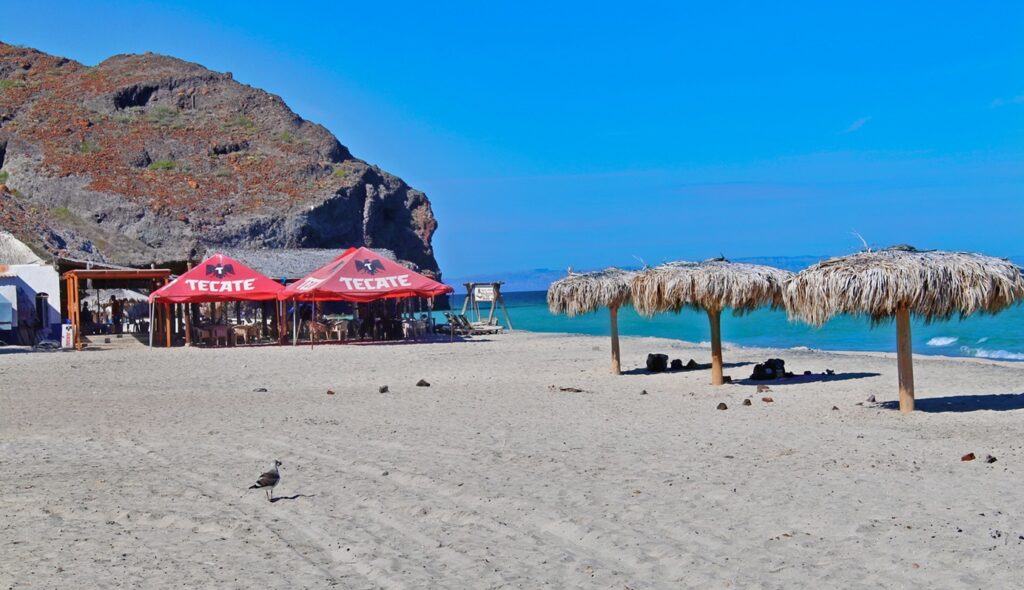
Most towns in Baja start the same way — a surf break is first, then a campground, then a taco stand, then a restaurant, then a hotel. Tecolote looks like that. Except there’s no surf… and development stalled somewhere between the taco stand and restaurant. We took a dip in the ocean, walked the beach, and left quicker than our time in Balandra.
So we widened our search for beach culture around La Paz.
A Day Trip to Todos Santos, Baja California Sur
Todos Santos sits about an hour south and across the peninsula on the Pacific side where there are waves. I had been wanting to check out this town for decades. I knew there was a good surf break nearby (Cerritos) and the town itself has a reputation for being vibrant, fun and safe. An alternative to Cabo, for people with a little more soul and curiosity than the lemmings marching down the gangway of cruise ships.
It’s much smaller than I expected. There is a main drag of boutiques & restaurants with clean facades, places that feel curated in a way La Paz doesn’t bother with. It feels strange, like a pop-up town in the middle of the desert, full of tourists and second home owners.
The real surprise is the beach, or again, lack there of.
For a place that gets mentioned often as a Baja beach town, you cannot easily walk to the playa. You must drive a couple miles. The ocean feels like an accessory, not the main draw in Todos Santos. For instance there is no surf shop in the town which is super odd considering some of the best surf in Baja is a short drive.
We spent an hour in town, long enough to get the idea. Paid $2 to use a restroom. Visited the Hotel California that all the tourists think is from the Eagles song, (which is not even about a hotel). Maybe the nightlife shifts things after dark. Maybe it opens up. Either way we were onto Playa Los Cerritos. We didn’t come to Baja to pretend we were in Santa Barbara.
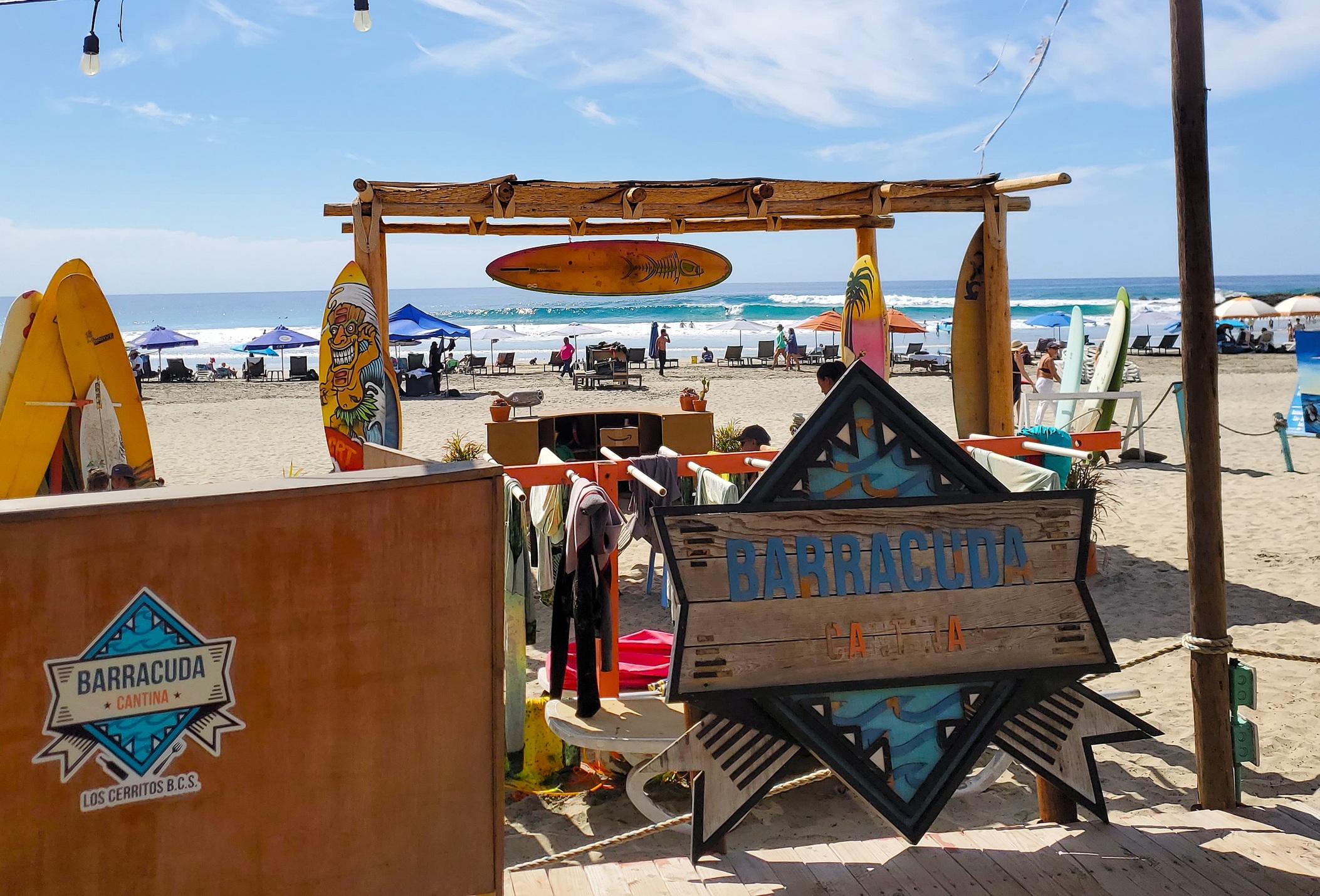
Playa Cerritos feels like the prototype for the evolution of Baja beach towns that I described.
A world-class surf break surrounded by campgrounds, small hotels, casitas, and open-air restaurants sitting directly on the sand. Surf hippies with dreads live in old school buses converted into campers while packs of dogs roam the beach. At times it feels less like a town and more like the parking lot at a Grateful Dead show that accidentally became permanent. A salty shantytown of pipe dreams, where development has been woven into overpriced anklets and knit beanies.
And yet, somewhere in all of it, I kept wondering how this place escaped my crew back when we were surfing all over Baja in our 30s.
After lunch, we skipped the overnight stay, bought the t-shirt, and drove back to our Esterito neighborhood in La Paz. Three days into chasing Baja beach culture, we found ourselves craving the authenticity & comfort of a place that never seems interested in being a postcard.
Exploring La Paz on Motorbike
The moment we stopped treating La Paz as a base camp, it started to feel like home. With the curiosity of the beach investigations behind us, a relaxing and exciting vibe overcame us … every morning. There was nothing left to do except enjoy our neighborhood for the next 3 weeks. Some things were not as expected but they enhanced our trip so much more.
We couldn’t find decent bicycles to rent for the month, but the motorcycle we secured proved to be a much better option. After all we were getting plenty of exercise at Bushido. The beaches were .. meh, so we settled in to explore the city of La Paz, the people, the restaurants and its unique rhythm. Within a few days we were getting shout outs walking down the Malecon from cars passing by. New friends we met while dining in the local restaurants.
The Evening Rhythm and Restaurant Scene in La Paz
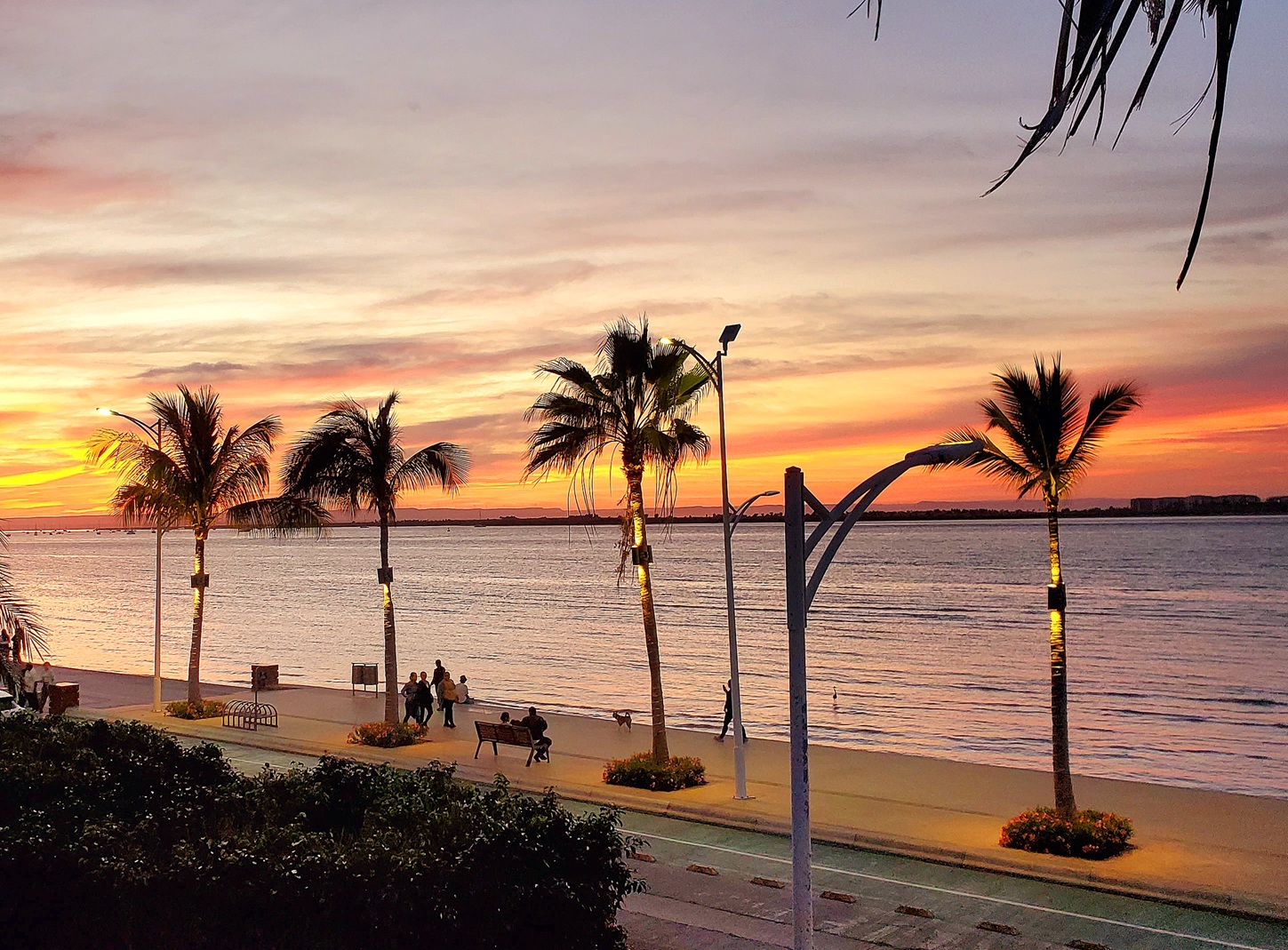
By evening, La Paz settles into a rhythm that feels almost impossible to find in American coastal towns anymore. One of the surprises is that we see the sun set fairly late. Because of its unique coastline, while La Paz is on the East Coast of Baja, it actually faces Northwest toward Los Angeles.
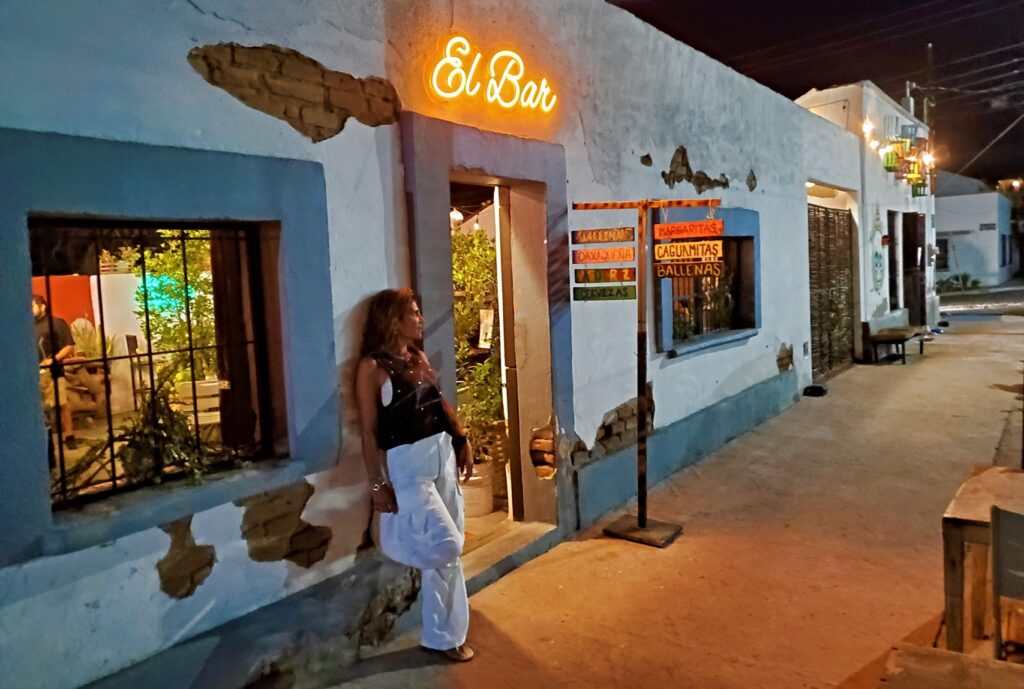
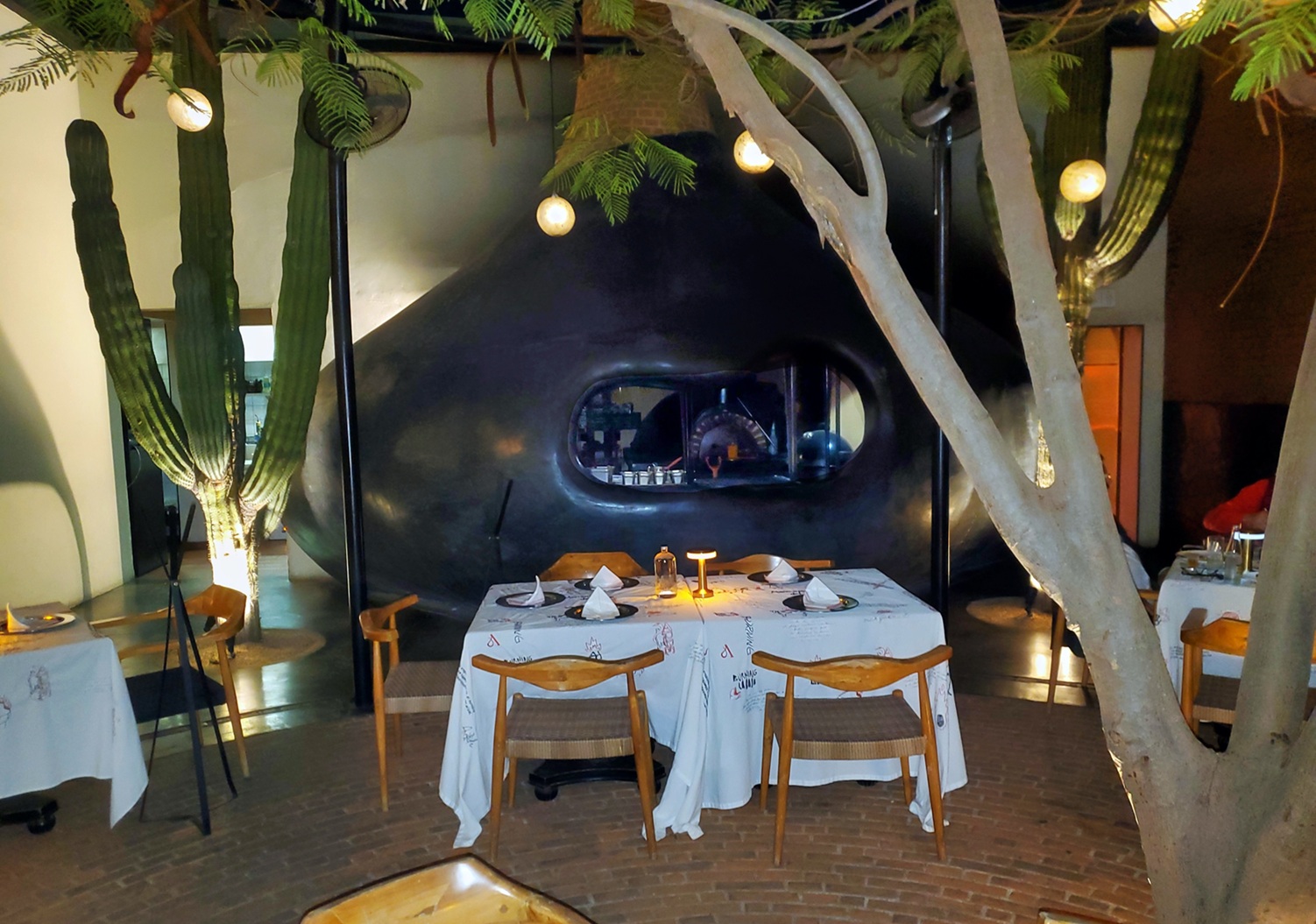
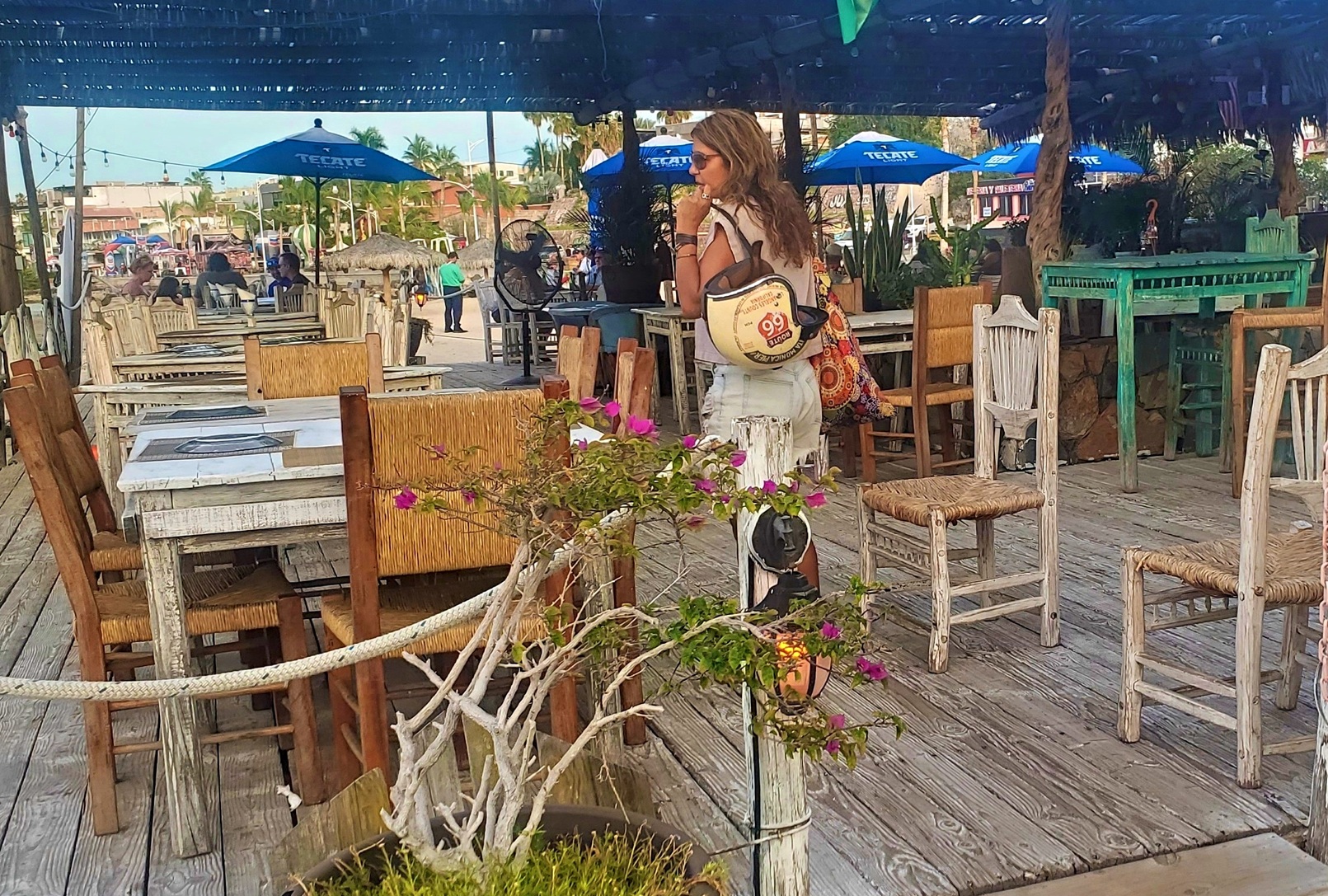
Most nights we would walk from Esterito toward the Malecón looking for dinner. The evening weather made cooking at home feel irrational. Restaurants were inexpensive, open late, and genuinely exciting without trying too hard. Some are hidden behind modest facades filled with trees and hanging lights, where outdoor kitchens — not the bar — are the center of attention.
And yet, somehow, they were rarely full, but enough people to feel cozy and fun.
Even on Friday nights, the restaurants in La Paz Centro never seemed to move past two-thirds capacity. No cattle call for dinner. No hostile hostesses shouting 40 minute wait times while people block the entrance clutching cocktails with urgency. Nobody in La Paz is particularly concerned about expediting the evening. It’s refreshing.
That probably explains the nightclub scene or lack there of, another positive about the city.
There are a few located on the Malecón, playing music way too loud and doing their best to draw people in, but they always looked empty. Siempre. That tells you almost everything you need to know about the vibe in La Paz.
The Tamale Queen of La Paz
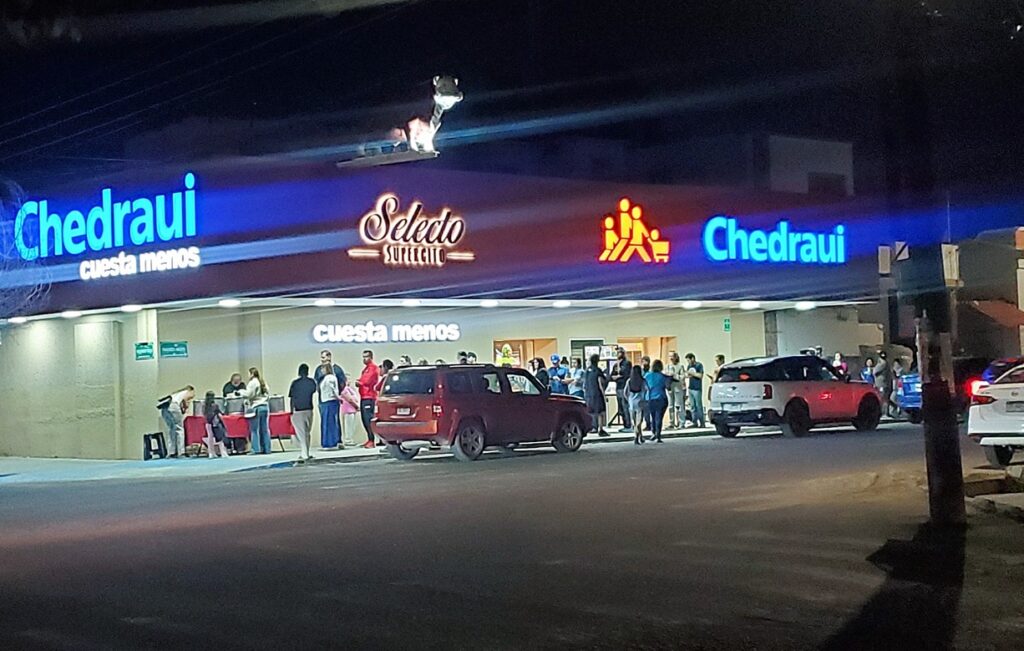
The real crowd forms a block away from the Malecón in front of a tiny supermercado. Each night, a woman named Doña Nora unfolds a small table on the sidewalk beside steaming vaporeras filled with tamales.
By sunset, the line stretches more than a block down the street. Locals waiting patiently for her famous rajas con queso tamales — roasted poblano strips and melted cheese wrapped in corn masa — along with pollo and carne versions that usually sell out long before the night is over.
Doña Nora is highly praised for keeping a perfect meat-to-masa ratio. The same could be said for La Paz. It also has a savory balance.
Baja Isn’t for Everyone — And That’s Why We Go
Some places overwhelm you immediately. La Paz does the opposite.
It settles in slowly — somewhere between the warm night air drifting off the Sea of Cortez, the sound of heavy metal echoing through Bushido, and the realization that the longest line in town forms for tamales, not nightclubs.
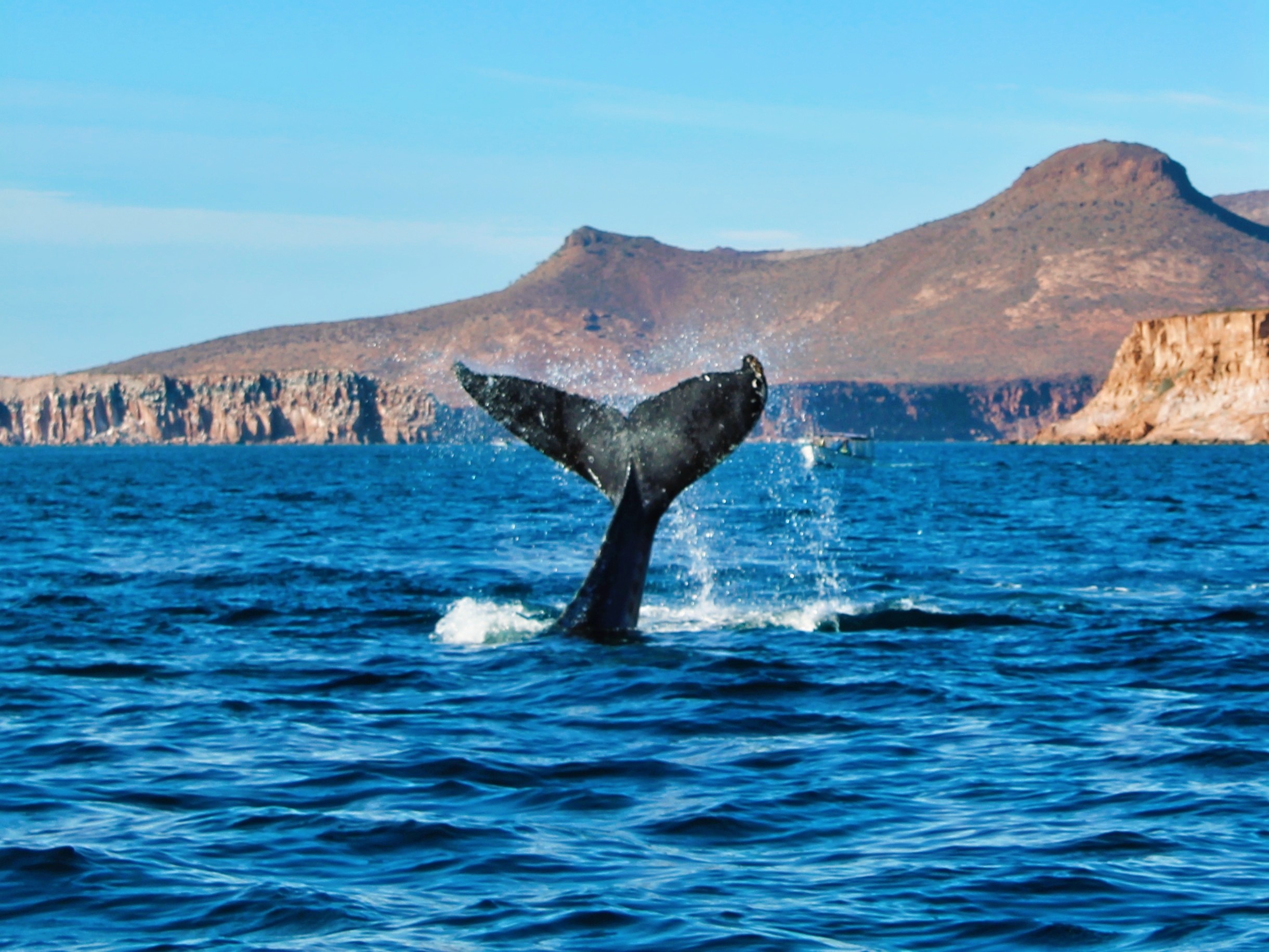
In the end, the beaches, surf towns, whale sharks, and postcard moments all became secondary to the wonderful rhythm of La Paz itself — a city that never tried to entertain us, impress us, or sell us a polished version of Baja. It simply existed on its own terms.
The places that looked best online were rarely the places we wanted to stay. The places we kept returning to never seemed interested in being photographed at all. I don’t know if we’ll return to La Paz, but after spending a month there and being part of the community, I sure would like to.
Thank You For Reading and Supporting The Best Travel & Lifestyle Blog!
Photo Gallery – La Paz, Mexico, BCS
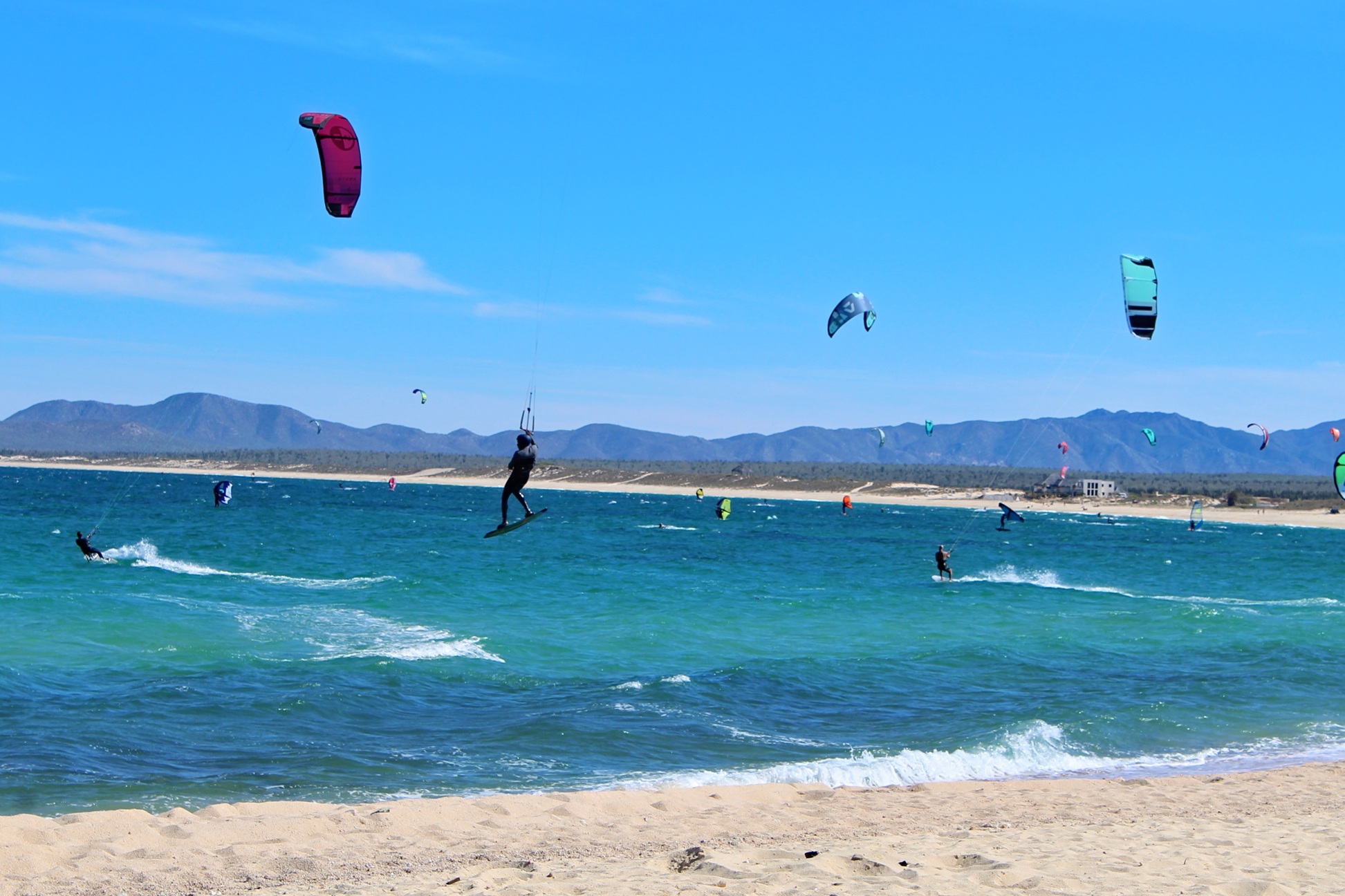
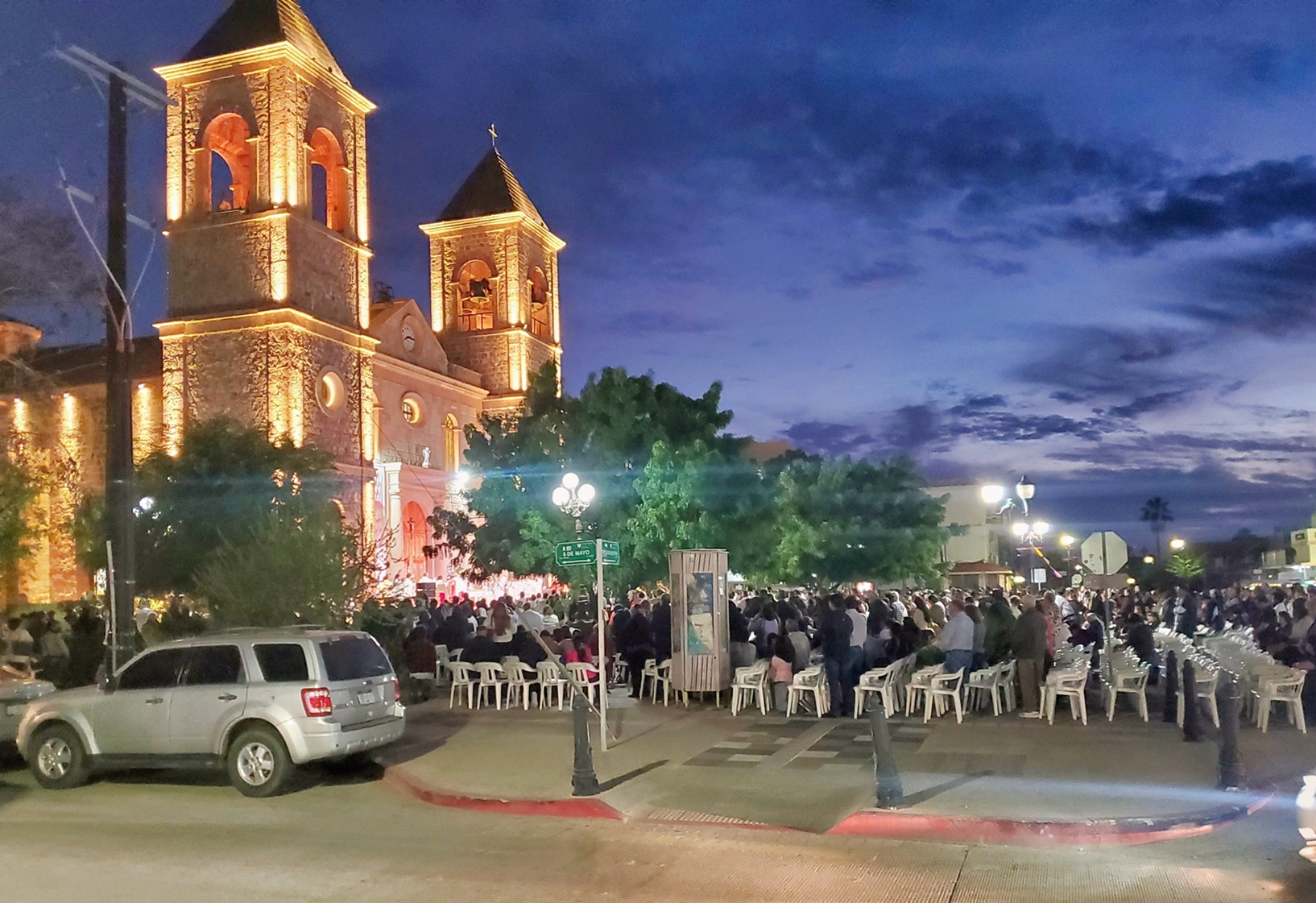
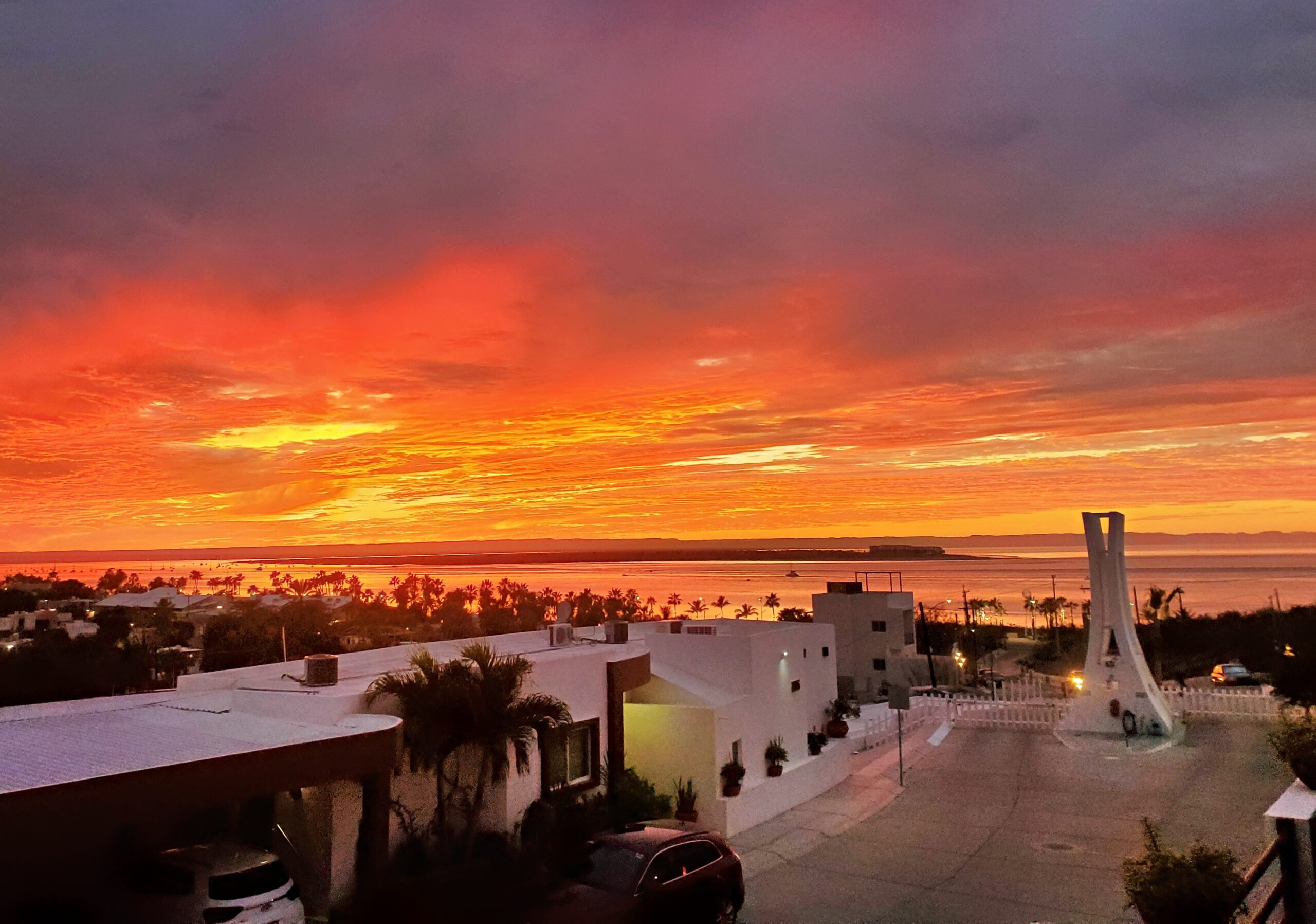

You Might Also Like