


The Truth About Sunscreen: Science vs. Social Media
Somewhere along the way, sunscreen became another casualty of social media misinformation. Every week this summer another jobless person, I mean influencer, claims that sunscreen is toxic, and tells millions of followers to throw it away. The irony? Most of these self-appointed experts have never studied dermatology, oncology, or anything remotely related to skin health.
A recent study, published in PLOS Digital Health, analyzed approximately 1,000 TikTok videos making claims about sunscreen. While an overwhelming majority of the videos promoted sunscreen use, the study found that the videos with the highest engagement contained misinformation and false claims.
Here at The Rugged Male, we’re all for questioning conventional wisdom. But there’s a difference between healthy skepticism and ignoring decades of scientific evidence because some wellness douchebag living in mom’s basement posted a thirty-second video on TikTok. Sorry, but if you are spreading misinformation that can hurt people – you are a douchebag. .
The sun isn’t your enemy. It’s also not something you outsmart by rubbing coconut oil on your face. We aim to debunk the myths about sunscreen.
Myth #1: Real Men Don’t Wear Sunscreen
Commercial fishermen, mountain guides, surfers, construction workers, military operators, and wildland firefighters spend more time in the sun than almost anyone. Many of them wear sunscreen because they understand exposure adds up over decades—not weekends.
Looking weathered because you continue to live an adventurous life is cool. Dying from melanoma in your forties is extremely not cool. Sunscreen is not a myth, its proven science.
Myth #2: I Need Sunlight for Vitamin D
Yes you do. Vitamin D is important for healthy bones, muscles, and immune function. But that doesn’t mean baking in the sun until your shoulders resemble boiled lobster.
UCLA Health points out that your body can produce enough vitamin D with just 8-10 minutes of sunshine per day in the spring & summer months. There is no need for prolonged, unprotected UV exposure to generate Vitamin D. There are also supplements that are safer & more reliable sources of Vitamin D.
Myth #3: Sunscreen Causes Cancer
No credible medical organization agrees with that statement. Organizations including the American Academy of Dermatology, the Skin Cancer Foundation, and the American Cancer Society all recommend sunscreen as one part of a broader strategy to reduce skin cancer risk.
Scientists continue to study sunscreen ingredients, as they should with any product people use regularly. But that’s a far cry from claiming sunscreen is more dangerous than ultraviolet radiation itself.
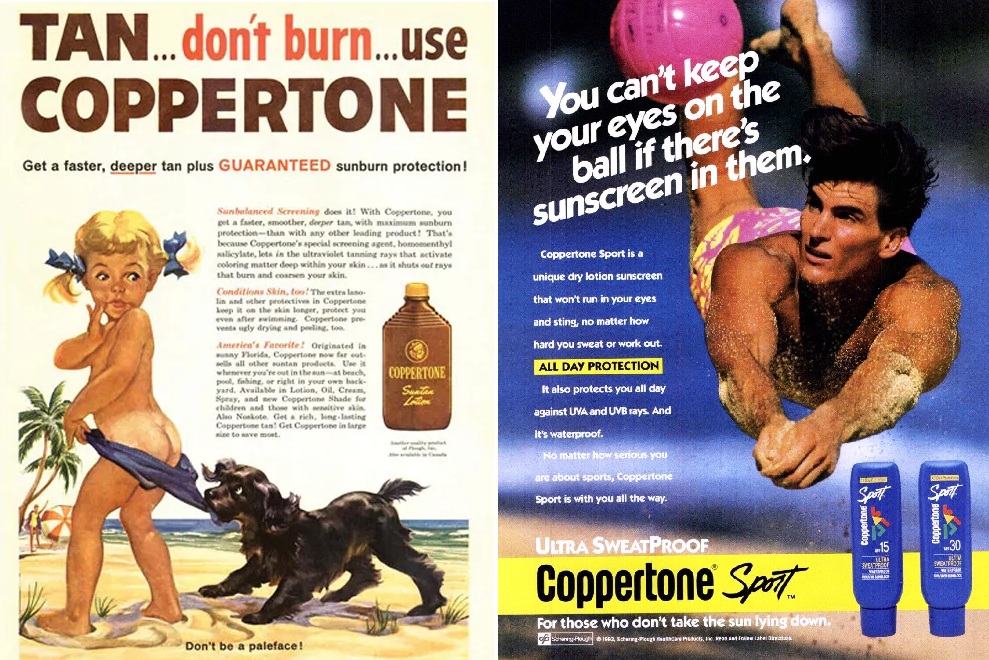
Myth #4: Natural Oils Are Better Than Sunscreen
Coconut oil, olive oil, baby oil—the internet loves miracle cures and home hacks. The problem is that none of these products provide dependable UV protection comparable to a properly tested sunscreen. Some offer minimal protection at best. Most offer none that has been consistently measured or verified. If your skin care routine sounds more like a grocery list than medical advice, it may be time to rethink it.
Myth #5: My Base Tan Protects Me
This one is laughable, even for non-medical people. A tan is obviously evidence that your skin has already been damaged. Dermatologist Dr. David Leffell of Yale School of Medicine has repeatedly explained that tanning is your body’s response to DNA damage caused by ultraviolet radiation. While a tan offers a tiny amount of natural protection, it is nowhere near enough to prevent future damage.
Myth #6: People with Darker Skin Don’t Need Sunscreen
This myth has probably done more damage than most people realize. While darker skin contains more melanin—which offers some natural protection against ultraviolet (UV) radiation—it doesn’t make anyone immune to sun damage or skin cancer. According to the Skin Cancer Foundation, melanoma rates among Latinos have increased by approximately 20% over the past two decades, a troubling reminder that no skin tone gets a free pass from the sun. Even more concerning, skin cancers in people with darker skin are often diagnosed at later stages, making treatment more difficult.
Whether you’re Irish pale or Mediterranean olive, UV rays don’t discriminate. If you’re spending the day surfing, fishing, hiking, working construction, or simply enjoying the outdoors, broad-spectrum sunscreen should be as routine as packing water or checking the weather. Looking after your skin isn’t vanity—it’s common sense.
Internet Sunscreen Experts Debunked
Nobody at The Rugged Male is suggesting you hide indoors. Go hike the mountains. Surf before sunrise. Spend weekends fishing. Ride motorcycles across Baja. Build things. Camp. Live outside. Just don’t confuse living an outdoor life with ignoring basic biology.
The sun has shaped deserts, oceans, forests, and every amazing trip you’ve ever taken. Respect it the same way you’d respect the ocean, a chainsaw, or a grizzly bear. You don’t fear it—you understand it. The Rugged Male is not the one who ignores good advice. He’s the person smart enough to know the difference between science and nonsense.
Did you ever wonder how far you can you see across the ocean or how are waves created? .
Thank You For Reading and Supporting The Best Travel & Lifestyle Blog!
You Might Also Like